


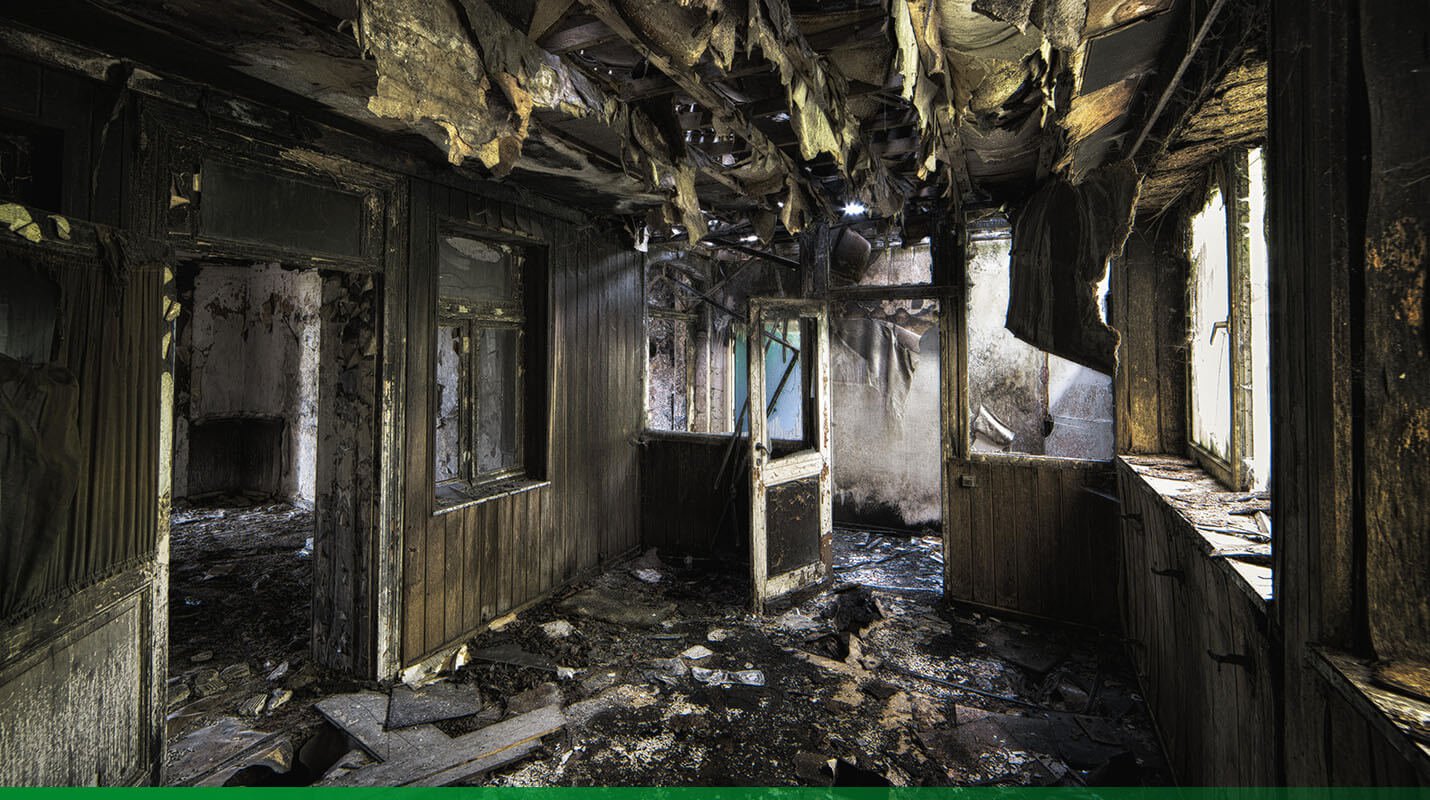
The Importance of Rebuilding Quickly After Fire Damage
Experiencing a house fire is a devastating event that can leave homeowners feeling overwhelmed by loss and uncertainty. Once the immediate danger has passed and safety is assured, the process of rebuilding a home becomes a critical next step. Rebuilding after fire damage is not only essential for restoring normalcy but also for ensuring the long-term safety and value of your property. This article explores the importance of timely rebuilding, the benefits of modern construction practices, and the steps to take to ensure a successful recovery.
Restoring Normalcy and Stability
One of the most compelling reasons to rebuild promptly after a fire is to restore a sense of normalcy and stability for yourself and your family. A home is more than just a physical structure; it is a place of comfort, security, and personal identity. Rebuilding allows you to reclaim your living space and begin the healing process, helping you and your loved ones move forward from the trauma of the fire.
Delaying the rebuilding process can prolong the emotional and psychological impact of the disaster. By taking proactive steps to reconstruct your home, you can create a positive path toward recovery and reestablish a stable environment for your family.
Preventing Further Damage
Acting quickly to rebuild after fire damage can prevent further deterioration of your property. Fire can weaken structural elements, making them susceptible to collapse or further damage from environmental factors like rain, wind, or pests. Additionally, the presence of soot and smoke residues can lead to corrosion and deterioration of building materials and fixtures.
By addressing these issues promptly, you can mitigate the risk of additional damage, which could increase repair costs and complicate the rebuilding process. Engaging professionals to assess and stabilize the property is an essential first step in safeguarding your home from further harm.
Enhancing Safety with Modern Building Practices
Rebuilding after a fire presents an opportunity to enhance the safety and resilience of your home using modern building practices. Advances in construction materials and techniques allow homeowners to incorporate fire-resistant features that can reduce the risk of future fires. For example, using non-combustible materials for roofing and siding, installing fire-rated windows and doors, and incorporating fire suppression systems can significantly improve your home’s safety.
Moreover, rebuilding provides a chance to update your home to meet current building codes and standards, which are designed to enhance structural integrity and occupant safety. By investing in these improvements, you can protect your home and family from potential future threats.
Increasing Property Value and Energy Efficiency
Rebuilding after a fire also allows you to increase the value and energy efficiency of your home. Modern construction techniques and materials can improve insulation, reduce energy consumption, and enhance the overall aesthetic appeal of your property. Energy-efficient upgrades, such as high-performance windows, improved insulation, and energy-saving appliances, can lower utility bills and reduce your environmental footprint.
Additionally, incorporating sustainable building practices can make your home more attractive to future buyers, potentially increasing its market value. Rebuilding with an eye toward energy efficiency and sustainability not only benefits your immediate living environment but also contributes positively to the broader community and environment.
Navigating the Rebuilding Process
Successfully rebuilding after a fire requires careful planning and coordination. Here are some key steps to consider:
1. Assess the Damage: Engage professionals to conduct a thorough assessment of the fire damage and determine the necessary repairs and rebuilding requirements.
2. Work with Insurance: Contact your insurance provider to understand your coverage and initiate the claims process. Document all damage and keep detailed records of communications and expenses.
3. Hire Qualified Professionals: Select experienced contractors and builders who specialize in fire restoration and rebuilding. Check references and ensure they are licensed and insured.
4. Obtain Necessary Permits: Work with your contractor to secure any necessary permits and approvals from local authorities before beginning construction.
5. Plan for Resilience: Collaborate with your builder to incorporate fire-resistant materials and design features that enhance the safety and resilience of your home.
6. Communicate and Monitor: Maintain open communication with your contractor throughout the rebuilding process, and monitor progress to ensure quality and adherence to timelines.
Rebuilding After Fire Damage: Essential Steps for a Safe and Resilient Home
Rebuilding a home shortly after fire damage is not just about restoring a physical structure; it is a critical step in the emotional and financial recovery process for homeowners. Acting promptly to address fire damage can prevent further deterioration of your property, which might otherwise lead to increased repair costs and prolonged disruption. By initiating the rebuilding process quickly, homeowners can also enhance the safety of their living environment. Incorporating modern, fire-resistant materials and construction techniques can significantly reduce the risk of future fires, ensuring that the newly rebuilt home is not only restored but fortified against similar threats. This proactive approach not only safeguards the family but also preserves the investment in the property, potentially increasing its market value.
Moreover, rebuilding offers an opportunity to integrate energy-efficient features and sustainable building practices, which can lead to long-term savings on utility bills and contribute to environmental conservation. Upgrading to energy-efficient appliances, improving insulation, and choosing sustainable materials can enhance the home’s overall efficiency and appeal. While the path to recovery can be challenging, involving careful planning and collaboration with qualified professionals, the outcome is a successful and resilient rebuild. This process empowers families to move forward with confidence and security, knowing that their home is better equipped to withstand future challenges and provide a safe haven for years to come. Engaging in this thoughtful rebuilding process not only restores what was lost but also creates a stronger, more sustainable foundation for the future.