


Building Resilience in California
Reconstructing Homes After California Wildfires with Prefabricated Materials
California’s recurring wildfires have become a stark reminder of the state’s vulnerability to climate-driven natural disasters. These fires not only devastate landscapes but also destroy thousands of homes, leaving families displaced and communities in turmoil. As the frequency and intensity of these wildfires increase, it becomes crucial to explore effective strategies for rebuilding homes that are both resilient and sustainable. This article delves into the background of California wildfires, the importance of rebuilding homes promptly after fire damage, and how prefabricated materials offer a superior solution for constructing fire-resilient homes.
The Background of California Wildfires
California’s fire season has lengthened and intensified over the years, driven by a combination of climate change, prolonged droughts, and human activity. The state’s diverse ecosystems, while naturally fire-prone, have seen an uptick in fire incidents due to rising temperatures and dry conditions. These fires have devastating impacts on communities, causing loss of life, destruction of property, and significant economic disruption. The 2025 Southern California wildfires, for instance, highlighted the urgent need for effective fire management and resilient rebuilding strategies as they swept through neighborhoods, leaving a path of destruction.
The Importance of Rebuilding After a Fire
Rebuilding a home after fire damage is a critical step in recovery, offering emotional, financial, and structural benefits. Prompt reconstruction helps restore normalcy for affected families, allowing them to regain stability and move forward from the trauma of losing their homes. Moreover, timely rebuilding prevents further deterioration of the property, mitigating additional damage caused by exposure to the elements. It also provides an opportunity to incorporate modern safety features and energy-efficient technologies, enhancing the resilience and sustainability of the new structure.
Prefabricated Materials: A Superior Rebuilding Solution
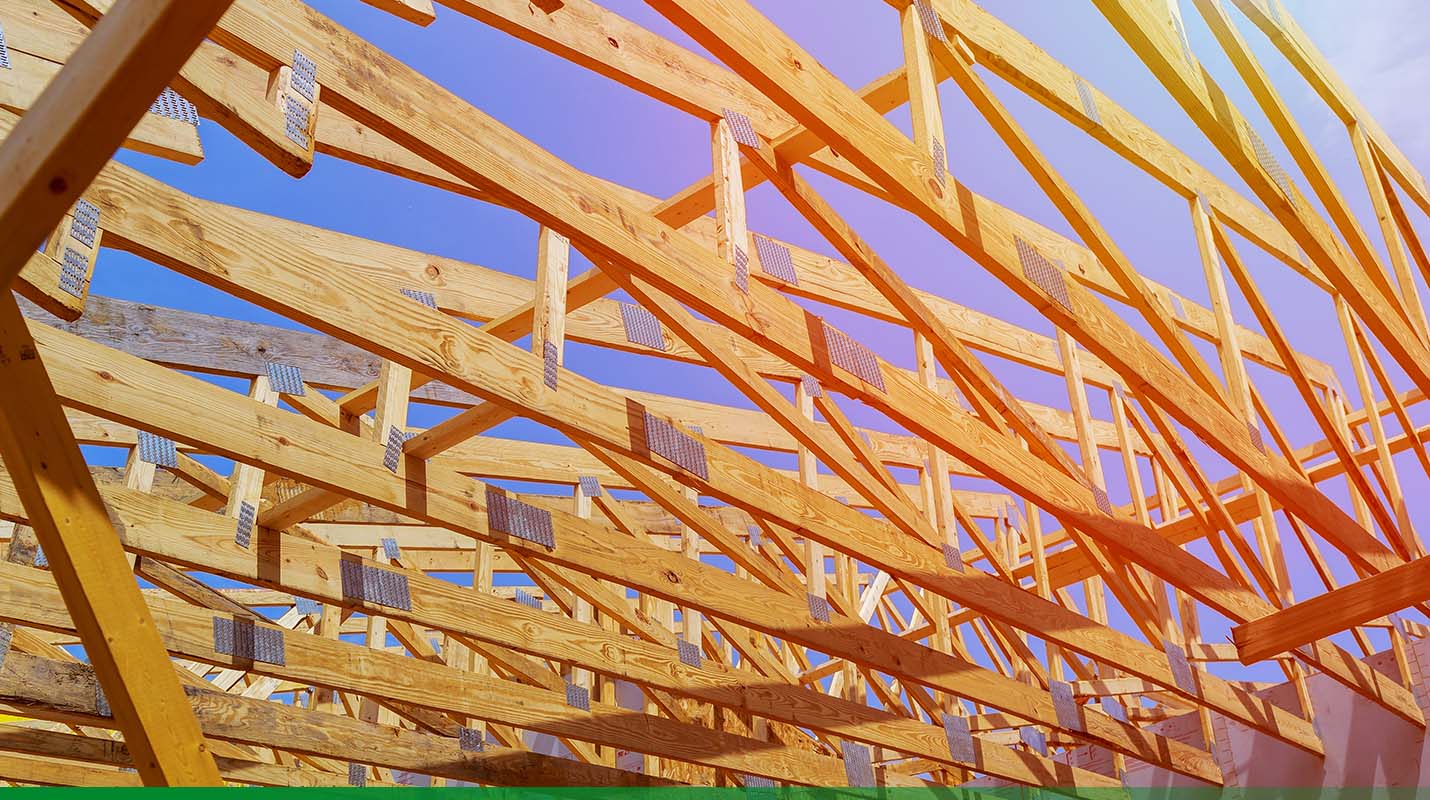
In the wake of California wildfires, prefabricated materials have emerged as a superior solution for rebuilding homes. Prefabrication involves manufacturing building components, such as walls and trusses, in a factory setting, allowing for precise assembly and quality control. This method offers several advantages over traditional stick building, particularly in the context of post-fire reconstruction:
1. Speed and Efficiency: Prefabricated materials significantly reduce construction time, enabling faster project completion. This is crucial for families eager to return to their homes and for communities striving to rebuild quickly after a disaster.
2. Quality and Precision: The factory-controlled environment ensures high-quality standards and precision in manufacturing, resulting in components that fit together seamlessly. This precision enhances the structural integrity and durability of the rebuilt home.
3. Cost-Effectiveness: Prefabrication reduces labor costs and material waste, making it a more economical option for rebuilding. The efficiency of the process also translates to savings on overhead and financing costs.
4. Environmental Benefits: Prefabricated construction supports sustainable building practices by minimizing waste and energy consumption. Additionally, many prefabricated materials are designed to be energy-efficient, contributing to the overall sustainability of the home.
5. Fire-Resistant Features: Prefabricated homes can incorporate fire-resistant materials and design elements, such as non-combustible siding and roofing, which enhance the home’s ability to withstand future fires.
Building a Resilient Future
As California continues to face the challenges posed by wildfires, adopting innovative rebuilding strategies is essential for creating resilient communities. Prefabricated materials offer a practical and effective solution for constructing homes that are not only safe and durable but also environmentally sustainable. By integrating prefabrication into post-fire rebuilding efforts, homeowners can achieve a balance between speed, quality, and cost, ensuring that their new homes are better equipped to handle future threats.
Reimagining Construction in Fire-Prone Areas
The Role of Prefabricated Materials in California’s Resilient Rebuilding”
The intersection of California’s wildfire challenges, the necessity for timely home rebuilding, and the advantages of prefabricated materials presents a transformative opportunity to redefine construction practices in fire-prone areas. As wildfires continue to pose significant threats to communities, the traditional methods of rebuilding are increasingly being scrutinized for their inefficiencies and vulnerabilities. Prefabrication offers a modern solution that not only accelerates the rebuilding process but also enhances the structural integrity and fire resistance of new homes. By adopting prefabricated materials, communities can implement a proactive approach to construction that prioritizes safety and resilience, ensuring that homes are better equipped to withstand future disasters. This shift in construction methodology also encourages innovation in design and materials, paving the way for more robust and adaptable living environments.
Embracing prefabrication is not merely a response to immediate recovery needs; it is a strategic investment in the long-term sustainability and security of California’s communities. Prefabricated materials contribute to environmentally friendly building practices by reducing waste and energy consumption, aligning with broader efforts to mitigate the impacts of climate change. Furthermore, this approach supports economic resilience by lowering construction costs and enabling faster recovery, allowing communities to rebound more quickly from the devastation of wildfires. As California continues to navigate the complexities of fire management and recovery, the integration of prefabricated materials into rebuilding efforts represents a forward-thinking solution that addresses both current challenges and future uncertainties. By reimagining construction practices, California can lead the way in creating safer, more sustainable communities that are prepared to face the evolving threats of a changing climate.