


An Overview of the California Wildfires
Challenges and Pathways to Resilience
The California wildfires of January 2025 have once again highlighted the vulnerability of the state to natural disasters exacerbated by climate change. These wildfires, particularly concentrated in Southern California, have wreaked havoc on communities, ecosystems, and infrastructure. As the state grapples with the immediate aftermath, questions arise about rebuilding strategies, fire prevention, and long-term resilience. This article explores the causes, impacts, and responses to the recent wildfires, emphasizing the need for sustainable rebuilding and proactive fire management.
The Scale and Impact of the 2025 Wildfires
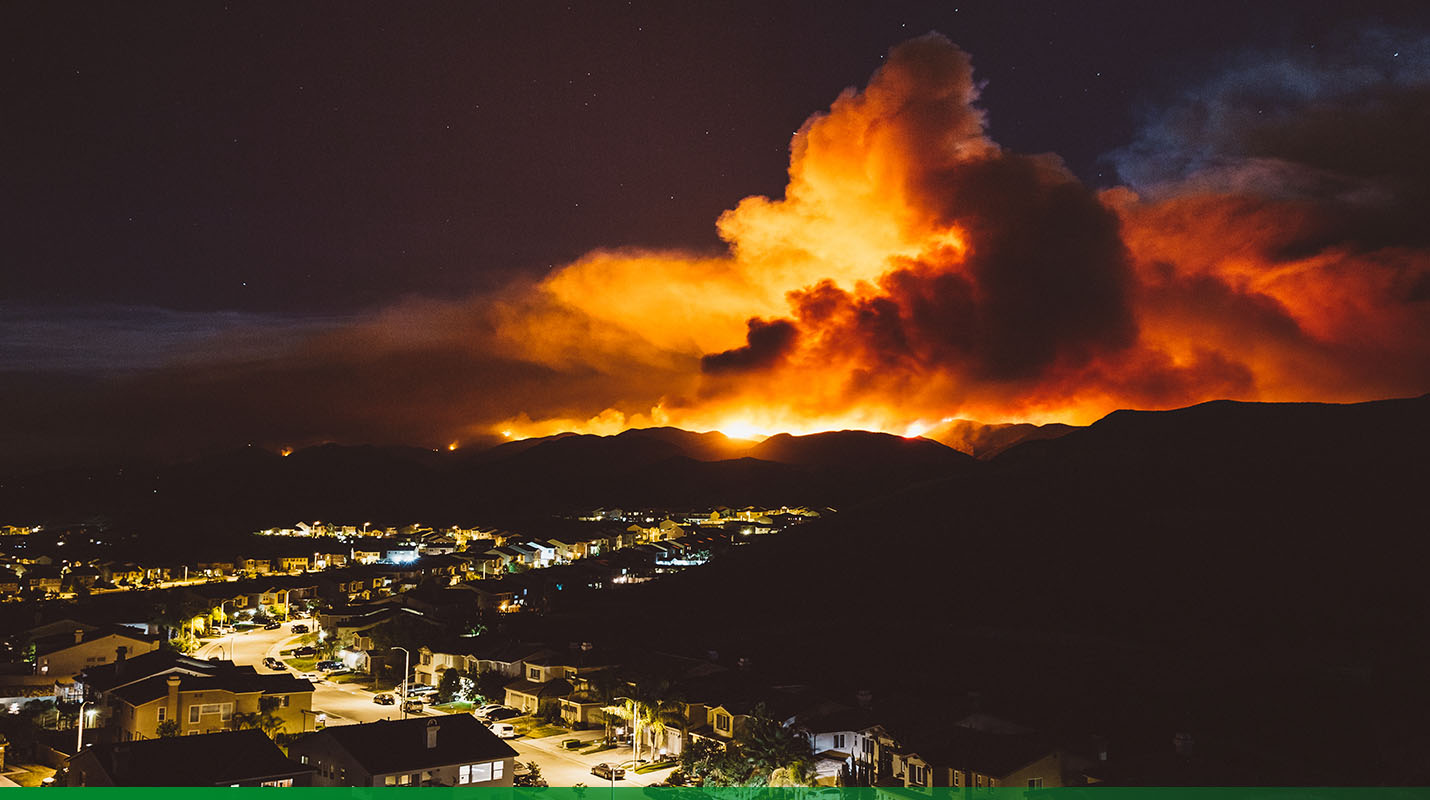
California’s fire season has become increasingly severe and unpredictable, with the January 2025 wildfires marking one of the most devastating episodes in recent history. Over 31 fires broke out across Southern California, fueled by a combination of strong Santa Ana winds, dry vegetation, and prolonged drought conditions. These fires have scorched thousands of acres, leading to the destruction of more than 10,000 homes and forcing the evacuation of over 200,000 residents.
The fires have not only caused significant property damage but have also posed serious threats to human life and public health. The smoke and particulate matter released into the air have led to hazardous air quality levels, exacerbating respiratory issues and other health concerns among the population. Moreover, the fires have disrupted local economies, with businesses and infrastructure suffering extensive damage.
The Challenges of Rebuilding
As communities begin the arduous process of rebuilding, there is growing concern about the speed and safety of reconstruction efforts. According to experts, rebuilding quickly without incorporating fire-resistant measures could put homes at risk of future fires. The urgency to restore normalcy often leads to shortcuts in construction standards, potentially compromising the resilience of new structures.
One of the critical aspects of rebuilding is the concept of “defensible space,” which involves creating buffer zones around properties to reduce fire risk. Homes that survived the recent fires often benefited from such measures, highlighting the importance of strategic landscaping and building practices. However, implementing these practices across entire communities requires coordinated efforts between homeowners, builders, and local governments.
The Role of Climate Change
Climate change has played a significant role in altering fire patterns in California. Rising temperatures, prolonged droughts, and changing precipitation patterns have created conditions conducive to more frequent and intense wildfires. The 2025 wildfires are a stark reminder of how climate change can exacerbate natural disasters, necessitating urgent action to mitigate its impacts.
Efforts to address climate change must include both mitigation and adaptation strategies. Reducing greenhouse gas emissions is crucial to slowing the pace of climate change, while adaptation measures, such as improving fire management practices and enhancing community resilience, are essential to cope with its current and future impacts.
Fire Management and Prevention Strategies
Effective fire management and prevention are critical to reducing the frequency and severity of wildfires in California. This involves a multi-faceted approach that includes:
1. Fuel Management: Reducing the amount of combustible material in forests and grasslands through controlled burns and mechanical thinning can help decrease fire intensity and spread.
2. Community Education: Educating residents about fire safety and prevention, including the importance of defensible space and fire-resistant building materials, can empower communities to protect themselves.
3. Improved Building Codes: Updating building codes to require fire-resistant materials and construction techniques can enhance the resilience of homes and infrastructure.
4. Early Detection and Rapid Response: Investing in technologies for early fire detection and rapid response can help contain fires before they grow out of control.
5. Collaboration and Coordination: Effective fire management requires collaboration between federal, state, and local agencies, as well as partnerships with private landowners and community organizations.
The Path Forward
The path forward for California involves balancing the immediate needs of wildfire recovery with long-term strategies for resilience and sustainability. This requires a comprehensive approach that addresses the root causes of wildfires, such as climate change and land management practices, while also implementing practical solutions for rebuilding and prevention.
State and local governments are working to streamline recovery efforts, providing resources and support to affected communities. This includes financial assistance for rebuilding, technical guidance on fire-resistant construction, and programs to support mental health and community well-being.
In the long term, California must continue to invest in research and innovation to develop new technologies and strategies for fire management. This includes exploring the use of drones and satellite imagery for fire detection, advancing the science of fire-resistant materials, and fostering community-based approaches to resilience.
California’s Devastating Wildfires: How to Prevent Another January 2025
The January 2025 wildfires have underscored the urgent need for comprehensive strategies to address the challenges posed by wildfires in California. As the state rebuilds, it is crucial to prioritize safety, sustainability, and resilience. By learning from past experiences and embracing innovative solutions, California can better prepare for future wildfires and protect its communities, ecosystems, and economy.
The journey toward resilience is complex and requires the collective efforts of government agencies, communities, and individuals. With commitment and collaboration, California can turn the lessons of the 2025 wildfires into opportunities for growth and transformation, paving the way for a safer and more sustainable future.